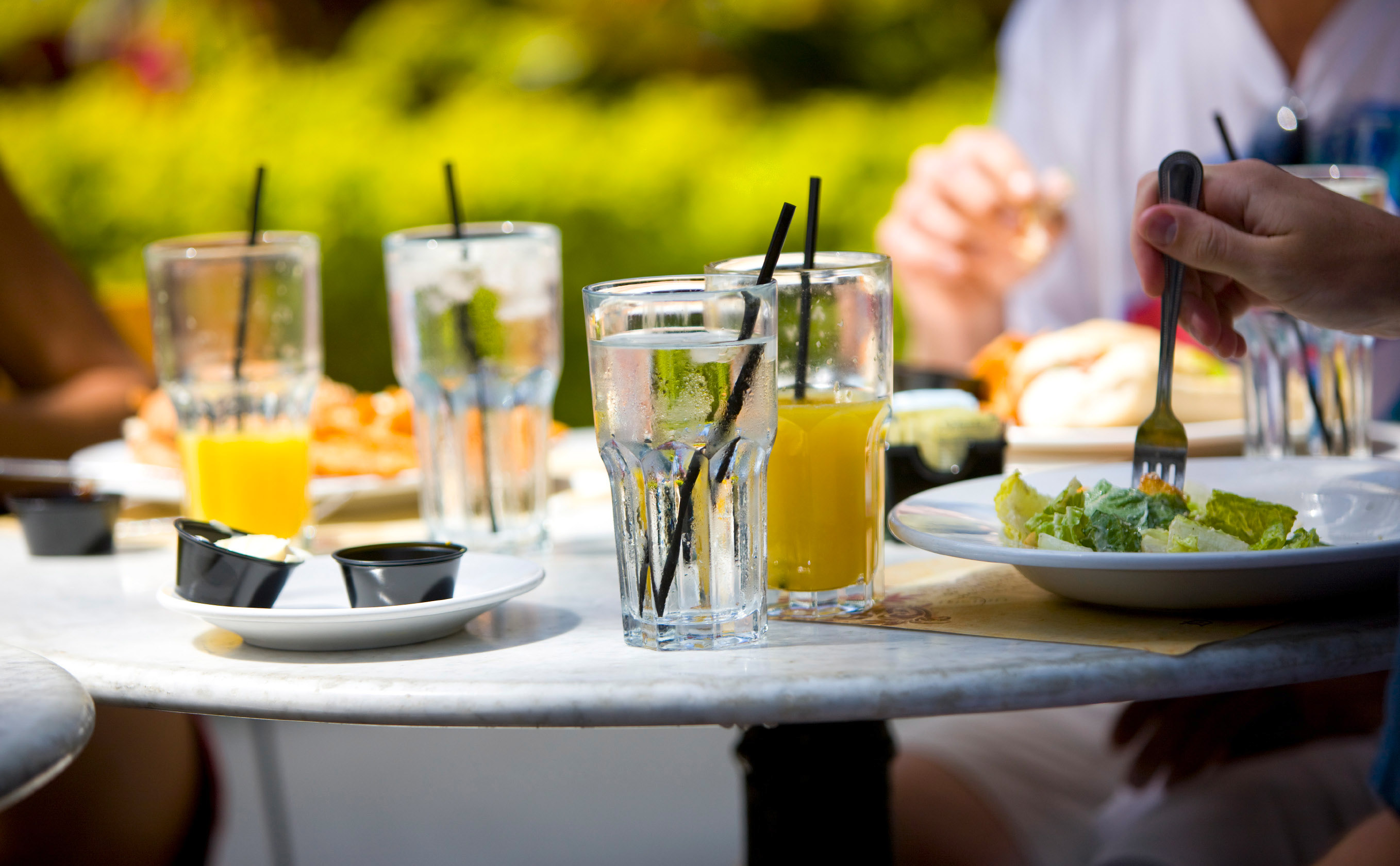
Thank you in anticipation for any extra time and resources you may use in the preparation of food and nutritional support for the USA Wrestling Team. In view of the high demands imposed upon players in today’s competitive game, nutritional support and quality appropriate food choices play a significant part in an athlete’s performance preparation and recovery.
USA WRESTLING’S SPORT NUTRITION
1. GENERAL DIETARY GUIDELINES
In general Wrestling Athlete’s require a Moderate intake of Low to Moderate Glycemic Index (GI) Carbohydrate made up of a mix food sources. The only exception to this would be immediately post training or competing when a small amount of higher GI options maybe included (This will be specifically requested).
(See Appendix 1).
Food should be Low in Saturated Fats, both visible and invisible sources, and food preparation and cooking methods should reflect this. Food should not contain trans- or hydrogenated fats (See Appendix 2).
Each meal should provide a Moderate Protein intake from bio-available protein in low fat form – e.g. chicken, turkey, and very lean beef and fish, with oily fish as a choice twice a week. Higher fat meats can be used twice each week e.g pork loin. If there are any specialty meats and game we’d very much wish to see them, ostrich, buffalo etc. Meals should include vegetarian options which contain high quality complete protein sources.
Good hydration is key to both good performance and recovery, hence appropriate fluids should be available throughout the day and at all meals. Fluid intake may vary considerably from player to player and is very dependant on environmental conditions. Still mineral water in glass or plastic bottles should be served with all meals. No high sugar juices on tables. No caffeine containing soft drinks e.g. colas, Red Bull etc
2. GUIDELINES FOR FOOD PREPARATION
To allow individuals to meet their own nutritional requirements it is suggested that a buffet or smorgasbord set up for meals is the ideal arrangement. Players can select the quantities and variety of food that best meets their needs.
A range of items should be made available at all meals and obviously the amount of choice will depend on agreed budgets.
The presentation and flavour of meals is important for all dinners. The addition of spices, garlic, seasoning, mustard, chutneys and tomato based sauces is sometimes required to enhance the taste of low fat dishes, however high amounts of added sugar or salt should be avoided. Highly seasoned food is not ideal during training and performance and it is recommended that quantities are moderated particularly hot spices like chillies and curries.
Below is a comprehensive list of conditions which may require you to deviate from your usual recipes. We do appreciate your help when working within these parameters. Please feel free to use your expertise, bringing your own personal touches to recipes to produce a quality product. If you have any concerns or issues please consult the team’s leader.
Fats:
- Avoid excess saturated fat where ever possible
- No deep frying
- Boil, steam, bake and grill where possible
- Stir-fry with minimum oil as necessary
- Roast with minimal oil coating where you feel necessary
- Oil, butter and margarine sparingly (preference to use Olive oil or Olive oil based spreads)
- Egg yolks to a minimum
- Mayonnaise and oily dressings to a minimum,
- Salads should be prepared without dressings (balsamic vinegar and oil dressing may be served on side)
- No cream or crème fraiche
- Use low fat fromage frais, yoghurt, evaporated milk, skimmed milk powders when required
- Low fat cheese where possible
- Full fat cheese to a minimum
- All meats should be lean cut with visible fat trimmed
- Any mince should be low fat
- Low fat pasta sauces e.g. lean meats, chicken, tuna, seafood, ham and tomato
- Chicken should be cooked with skin removed ( seasoned and lightly brushed with oil )
- No roasting in oil
Carbohydrates
- Whole brown rice, pasta and bulgar wheat should be used instead of refined white rice and pasta. The exception is in the 5 days prior to competition where ONLY white rice, pastas and breads should be used.
- Please cook vegetables without oil, butter or margarine (preference for vegetables to be steamed)
- Salad options and vegetables should be served with all lunches and dinners
- Potatoes should be kept plain, i.e. boiled, mashed and jacket rather than roast, chips or ‘dishes’
- Water and fruit juices/squashes should be available with all meals
- Canned carbonated drinks should be avoided
Protein
- High quality low fat bio-available protein
- Please allow two chicken breasts or the equivalent amount of protein at lunch and dinner
- Vegetarian complete protein sources
- With lunch and dinner cold meats, hard boiled eggs and cold fish (tuna, smoked mackerel) should be also presented with the salad options
Seasoning
- Use tomato puree, herbs, spices, mustard, chutney as required.
- Keep salt content to a minimum please avoid adding it in cooking
- Use herbs, spices and black pepper to enhance flavour
- Food should be as tasty as possible – with the use of low fat sauces and herbs and spices used liberally to enhance this
The emphasis should be on simple fresh foods rather than rich or fried foods, pastry or rich deserts such as gateaux, tortes, mousses etc.
3. MEAL IDEAS AND RECOMMENDATIONS
Recommendations for Breakfast
Daily choices to include all or a selection of the following (depending on availability and agreed budgets)
- 1. Fluids
- Water, squashes, fruit juices and both skimmed and semi-skimmed milk, re-hydration drinks as recommended by team support staff
2. Cold items
- A range of different breakfast cereals including muesli, porridge, fruit and fibre along with fresh and dried fruits and berries
- In the 5 days prior to competition, simple cereals that are low in fiber should be made available.
- A range of bakery items e.g. varieties of different white, wholemeal, granary breads, rolls and toast with range of preserves to include jam, marmalade, honey, marmite
- Lean cold meats and fish
- Low fat margarines (olive based) as an alternative to butter
- Fruit – fresh and/or tinned
- Low fat flavoured and natural yoghurts
- Tomatoes and raw vegetables for smoothies
3. Hot Options to include
- Boiled, poached or scrambled eggs, egg whites (tomato, mushroom onion, peppers cooked chicken, ham, chilli for omlettes)
- Porridge or hot oat cereal
- Wholemeal pancakes or crepes
- Beans on toast, grilled tomatoes, mushrooms
- Smoked salmon and eggs
- Grilled or poached fish, e.g. kippers or haddock
- Lean bacon rindless and grilled
Recommendations for Lunch
This may or may not be a main meal depending on training/match requirements so options and variety are important. Meals should be well balanced providing good carbohydrate and protein sources that are easily consumed and digested.
1. Fluids
- Water, squashes (lemon and ginger, ginger cordial), low fat milk shakes and smoothies, re-hydration drinks as recommended by team support staff
- 2. Main Meals – Ideally to include a choice of two main courses, salad, vegetables, starch and possibly a dessert
- Sandwiches or wraps, rolls, tortillas and bagels – ideally unmade with a range of low fat fillings available
- Jacket potatoes – ideally unmade with a range of low fat fillings available
- Grilled Chicken breast with lime and coriander yoghurt
- Chargrilled chicken with spicy, low fat sugar free marinade, served on brown rice and quinoa
- Avocado and turkey tortillas, with cucumber, black beans and lime juice
- Grilled or poached fish with potatoes and vegetables
- Stir frys and mild sweat and sour dishes
- Lean beef, fish, or vegetable lasagne with salad
- Spaghetti bolognese and salad/steamed veg
- Wild rice Rissotto – all types: vegetarian or with meat and fish
- Fresh fish dishes with potatoes and salad or vegetables
- Grilled or oven baked turkey fillet, dry roasted potatoes and vegetables and salad
- Sheppard’s or fish pie
- Beef casserole/goulash with wild rice or potatoes
- Chickpea and peppers with tomato salad
- Tuna, avocado and tomato
- Mixed green leaves
- Salad Nicoise
- Caesar salad
- Lean roast meat with dry roast and boiled potatoes and vegetables
- All meals should be served with breads and vegetables and salad
- A salad bar is ideal to provide an alternative option for those wishing to have a cold option.
3. Suggestions for Desserts – To include a selection from the following
- Fresh fruit/fruit salad
- Fresh berries
- Organic plain yoghurts to which fruit and berries can be added
- Frozen yoghurt
- Mixed dried fruits and nuts
- Light Fruit Crumbles (crumble made with rolled oats)
- Fat free muffins with blueberries or banana
- Fruit Summer Puddings
- Banana with custard
- Pancakes with honey
- Low fat cakes e.g. fruit, banana or carrot cake
Recommendations for Tea and Available Throughout Day
1. Fluids
- Electrolyte, protein and energy sports drinks as determined by team support staff
- Water, squashes, low fat milk shakes and smoothies
2. Snacks
- Sandwiches, rolls and bagels (including toasties) unmade with a variety of fillings
- Breakfast cereals
- Fresh fruit selection – including bananas
- Cracker including Ryvita, corn and rice crackers, oat cakes
- Low fat Cottage cheese
- Low fat yogurts
- No added sugar, organic fruit spreads / jelly
- Low fat cereal bars
- Dried fruits and nuts
- Malt loaf, low fat muffins
Recommendations for Evening Meals
1. Fluids
- Electrolyte, protein and energy sports drinks
- Water, squashes, fruit juices, low fat milk shakes and smoothies
2. Post Match Light Meals and Snacks
- White sandwiches, rolls and bagels (including toasties) unmade with a variety of fillings
- Mini Pizza’s using light mozzarella, lean ham, pineapple, vegetables etc
- Bruschetta
- Steamed white rice and light curry
- Soups
- Light pasta dishes
- Fresh fruit, apples plums, black grapes, bananas and apricots
3. Main meal as per lunch time recommendations
APPENDIX 1 – CARBOHYDRATES
Complex carbohydrates and vegetables with low to medium glycemic index as the main carbohydrate sources. Carbohydrates with both low and high fiber content should be available; especially in the 5 days prior to competition White breads and other sources are for the days leading up to competition, immediately following training and during competition. A comprehensive list of carbohydrates are given below. Some of the foods obviously lend themselves more to a meal occasion (breakfast, sit-down cooked meal), or lighter meals and snack (marked for refuelling ) that and can be used in the changing-room or training environment.
Carbohydrate list
- Bread (granary or wholemeal, whole grain, white etc) and rolls available at all meals.
- Potatoes should be kept fairly plain i.e. boiled or jacket rather than roast, chips or “dishes”.
- Wild/whole grain and white rice or pasta dishes but care that the accompaniments are not high in fat. Pasta in the days prior to competition can be fresh white egg pasta
- Breakfast cereals wholewheat/oat based- Porridge, Muesli’s, Shredded Wheat, Weetabix, Bran Flakes, Oat based and low fiber options
- Use of pulses e.g. red kidney beans, chickpeas, borlotti, cannellini beans.
- Salads based around fresh egg pasta, wild rice, beans.
- Plenty of fresh fruits and yoghurt available at all meals.
Good sources of carbohydrate
Ö = First choice foods (= Low GI)
R = Ideal for Refuelling and Snacks (= High GI)
Ö Breakfast cereals – any variety including hot cereals such as porridge. Many varieties can be eaten dry as a quick snack.
R Ö Bread – white, wholemeal/grain, granary plus wholemeal varieties of pitta, bread, rolls, baps, bagels, and other continental types, muffins (English not American), pikelets, naan, chappatis, potato cakes, raisin bread, malt loaf, fruit loaf, rye bread, pancakes
Ö Oatcakes
Ö Wholemeal Pasta
R Fresh egg Pasta and noodles – all shapes and colours
Ö Wild/brown Rice
Ö Polenta, couscous, bulgur wheat, millet and other grain products
Ö Potatoes – mostly as boiled, jacket (old or new), sweet potatoes, yam, cassava, plantains
Ö Potatoes mashed with sweet potatoes or other root vegetables like Swede or Parsnip
R Popcorn, popped in small amount of light oil and salt
Ö Pizza bases – it’s what goes on top that pushes up the fat content. Lower fat toppings include – ham and pineapple, vegetarian, ham and tomato.
Ö Beans (baked, butter, red kidney, chickpeas, barlotti, cannelloni, mixed), peas, lentils, sweetcorn, pearl barley.
Ö High and Low Fiber vegetables – carrots, parsnips, swedes, turnip, sweet potatoes, beetroot
R Ö Fruit – all sorts – fresh or cooked
R Cereal bars (these will be specified)
R Ö Jam, marmalade, honey, fruit spreads, golden syrup, maple syrup, molasses, black treacle used at breakfast sparinginly
Ö Yogurt – plain and fruit
Ö Milk and milk shakes
R Ö Sweetened soft drinks – squash, cordials (no caffeine containing soft drinks like coke)
Ö Vegetable juice
R Chocolate bars (careful about the fat content of some varieties – ideally there should be at least three times as much carbohydrate as fat)
R Sugar confectionery – jelly beans, jelly babies, jelly tots, boiled sweets, liquorice allsorts wine gums etc.
Ö Sugar – added to drinks and breakfast cereals
R Commercial sports drinks – Science in Sport, Lucozade Sport, Isostar, Gatorade, Powerade, High5 Isotonic, Maxim Electrolyte etc
R Carbohydrate supplements (glucose polymers) e.g. Science in Sport, Powerade, High Five Energy Source etc.
APPENDIX 2 – FATS
|
FATS IN FOODS |
|
| Visible fat | Invisible fat |
| Butter, margarineOils, lard, suet, dripping
Cream Fat on meat, poultry skin |
Fat is present in all but the very lean cuts of meatCheese
Whole milk – silver or gold top Creamy puddings and cheesecake Meat products – pies, pastries, sausages, burgers, pate and salami Chips, crisps and fried food Nuts, olives, avocado pears Many types of cakes and biscuits Mayonnaise, salad cream and creamy sauces Peanut butter Chocolate
|
Ways to reduce the fat content
- Use skimmed or semi-skimmed milk for drinks and cereals and use skimmed milk in cooking.
- Offer a choice of spreads or butter for bread, toast etc e.g. olive based but where possible leave the choice of what to use (if any) and how much, up to the athlete.
- Avoid using cream in cooking or giving the players the option to use cream on desserts and in coffee. Instead use low fat yoghurt or low fat fromage frais.
- For cooking use olive oil mainly. Even so, still use as little as possible.
- Fats such as butter etc should not be added to vegetables – including jacket potatoes. (The choice of adding butter to jacket potatoes can be left to the players to make but should not be added automatically)
- Frying should be kept to an absolute minimum e.g. meat should be sealed without the addition of fat.
- For dessert (if one is provided, concentrate on fruit and milk based ones e.g. crumbles (rather than pies), summer pudding or rice pudding.
- Dressings for salads should ideally be low fat/oil free with no mayonnaise. Perhaps they could be based on yoghurt, herbs, spices, tomato juice, vinegar, lemon juice etc. Where possible serve separately so that players can add their own.
- Avoid creamy sauces and where there are to be sauces use skimmed milk, yoghurt, vegetables (e.g. tomatoes) and the minimum of fat.
- Where cheeses are used in cooking, try to use the reduced fat varieties or strongly flavoured cheeses, so that less is needed. Curd cheese and low fat soft cheese are both versatile low fat cheeses, useful in cooking.
- Fish (both white and oily), chicken and turkey are all good choices because of their low saturated fat content. Skin of poultry should be discarded to reduce the fat content.
- Use lean cuts of red meat and remove any visible fat before cooking.
- Keep gravies low in fat.
- Use cooking methods that do not require fat to be added e.g. grilling, baking, poaching, baking, steaming and stir-frying with the minimum of oil.